Many of you will be aware that May is Mental Health Awareness Month. Less than halfway through the year, I am already feeling the burnout. From conversations with my loved ones, it turns out I am not the only one and there definitely seems to be something in the air. Is this a sign of things becoming a whole lot worse, or are people starting to become more open about their own mental wellbeing? Maybe it’s a bit of both.
It also got me thinking back to the COVID pandemic. While it seems like a lifetime ago, we still remember it like it was yesterday. That was a huge change the world had to adapt to; we all saw the process as we went from not being allowed to leave our
homes unless it was for something essential to slowly getting back into the reality from before COVID. Let me ask you this question: did you ever stop to think what your new normal would look like as restrictions eased? Or did you carry on without a thought? I can give you my honest answer: while practically I eased myself back into things at my own pace, mentally I didn’t take time to reflect, which makes me wonder about the effects of the pandemic on top of other life events.
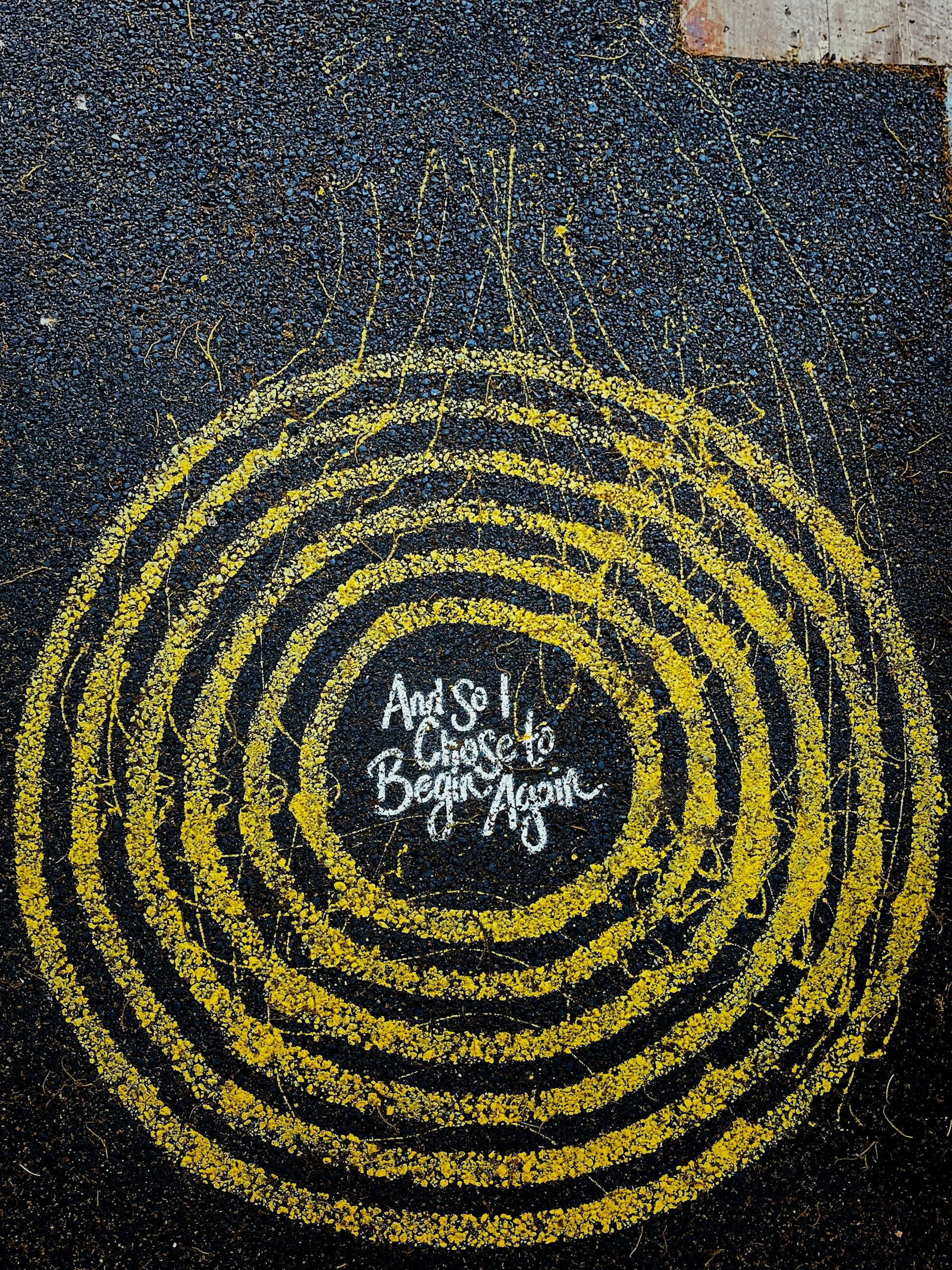
Something that has been helping me through the burnout is taking my time with things, and in some ways, starting over. A few key changes happened to me last year: being diagnosed with coeliac disease; living on my own for the first time; and being in a job where I take the lead. At first, as with any change, I did what many of us do: diving in headfirst, being sure that I can cope with all these changes by myself. Of course, that approach didn’t work. It only added to my burnout, as it made me feel like I couldn’t cope and sent me into a downward spiral.
The turning point was in my day job where a close colleague helped me realise I was taking on too much to try to show I was capable. They advised me to take a step back and think, “What do I want out of this project?” From that point on, that’s what I did – not just with work, but with aspects of my home life too. While I am not out of the woods yet, every small step I take is a step closer to achieving my goals, and I try to remember to not to be too disheartened when something goes wrong.
I would like to leave you with a few tips:
Set Small Achievable Goals: Getting out of burnout is a long process that shouldn’t be rushed. Setting myself goals to stick to each day has really helped me get my focus
back. One of my goals daily goals is to survive the day, so even if things don’t quite go to plan, making it through the day is enough.
Be Kind to Yourself: I know I definitely struggle with this, but I am getting better. I try to remind myself that I am doing the best I can, and that I can only do so much with everything going on in my personal life. We are all our own worst critics; and one thing that has helped me is asking for help and taking some time to reflect on the positives of the day. These don’t have to be huge; they can be, for example, seeing something that made you smile. Another way I like to think of it is this: if your loved one came to you and told you they were feeling bad about themselves, what would you tell them?
Make Time for Things and People that Make You Happy: Navigating a huge change can be exhausting and stressful, so finding time for things that bring you joy is more important than ever. These joyful things don’t have to be huge either: it can be sitting in your favourite chair with your favourite drink or a good book; giving someone a phone call or meeting them at your favourite place.
It’s Okay to Ask for Help: Especially when doing things for the first time. You’re not going to know everything about the new adventure you’re embarking upon, and that’s okay. During the past year, I have got better at asking for help and accepting that I don’t know all the answers. The right individual or group of people will fully understand, and will be happy to offer suggestions without judging; most likely they have been in the same boat previously and have learnt things themselves.
There will be points in life where you will have to start over, and that’s okay. Examples include moving to a new home, embarking a new career path, the end of a relationship, and being diagnosed with a condition. These alone are huge changes to deal with, but dealing with several at once can lead to exhaustion – which is natural. It’s okay to feel this way. There are likely other strategies I haven’t listed, but I hope these tips will help you navigate whatever change you’re going through.
Words: Lotty Whittingham
